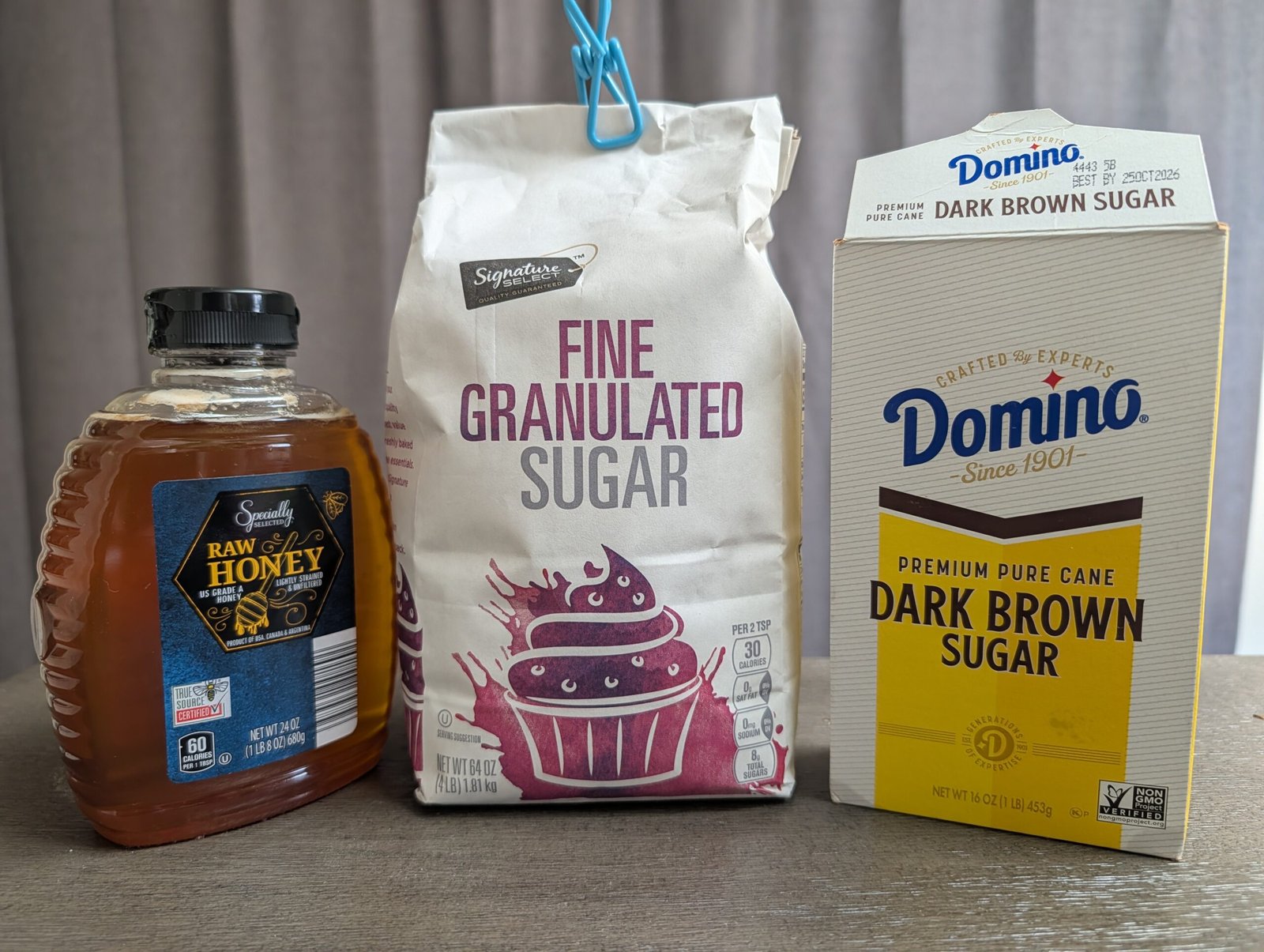
The Best Sugar for Kombucha: Evaluating Your Ingredient Options
If you want a consistent, safe, and delicious brew, you have to understand your ingredients on a functional level. When preparing a new batch, the most critical decision you make isn’t the tea — it’s selecting the best sugar for kombucha. Sugar isn’t there to sweeten your drink; it is the primary reactant that powers the entire fermentation process. Let’s break down exactly how this ingredient drives the reaction and why picking the right one guarantees success.
The Fuel Requirement: Why You Can’t Make Kombucha Without Sugar
Many new brewers try to hack the process to create a zero-sugar drink right out of the gate. However, substituting real sugar with artificial sweeteners like Stevia or Erythritol will immediately stall your fermentation and cause the batch to rot.
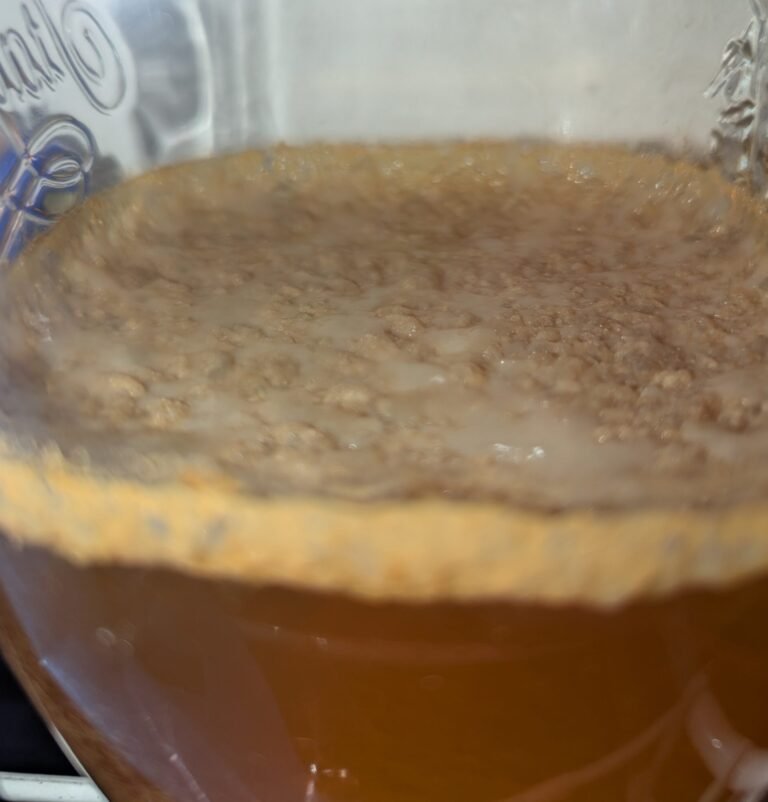
Sugar is not there to make your brew sweet; it is the non-negotiable chemical fuel required for the entire operation. The culture operates on a strict sequence: the yeast must first consume the sugar to produce ethanol and carbon dioxide. From there, the bacteria take over, synthesizing that ethanol into the protective organic acids that drop your liquid’s pH and create a safe, tart baseline. If you remove the sugar, you starve the culture. The yeast stalls, acid production fails, and your batch is left completely vulnerable to wild mold.
Standardizing the Variable: Finding the Best Sugar for Kombucha
When you want to lock in a repeatable brewing process, you must eliminate variables. So, what is the best sugar to use? Plain, organic cane sugar (pure sucrose) is the undisputed champion of the brewing world.
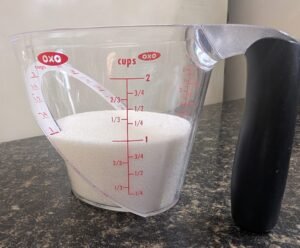
Cane sugar provides the most stable, predictable conversion rate for your yeast. When you use pure sucrose, tracking your fermentation recipe calculations across different jar sizes becomes a seamless, repeatable process. You know exactly how fast the yeast will consume the fuel, which leads to zero-guesswork fermentation timelines.
If you experiment with alternative sugars like coconut sugar, maple syrup, monk fruit, or molasses, you introduce complex minerals to the environment. While they may work, the added minerals force the yeast into overdrive, often speeding up the process unpredictably and creating harsh off-flavors.
Process Control: How to Safely Yield a Low-Sugar Brew
Since artificial sweeteners are completely off the table, how do you brew a kombucha that aligns with a low-sugar lifestyle? The answer lies in time, not alternative ingredients.
Because sugar is actively consumed during the chemical reaction, the longer you let your primary fermentation (F1) run, the less residual sugar will remain in the final liquid. By simply extending your F1 timeline by a few days, you allow the yeast to burn through the vast majority of the initial sucrose input. The result is a highly acidic, sharply tart kombucha with a remarkably low final sugar content. You still provide the mandatory fuel upfront, but you rely on basic process control to manage the final yield.
The Contamination Risk: Can You Make Kombucha With Honey?
Once brewers master cane sugar, they naturally want to experiment with flavor. The most common process question we get is: can you make kombucha with honey? The short answer is no—at least, not safely with a standard SCOBY.
Adding raw honey to your standard brew is a massive contamination hazard. Here is why raw honey breaks your standard process:
-
Wild Microbes: Raw honey is naturally packed with its own dormant wild yeasts and bacteria.
-
Fierce Competition: When introduced to the liquid tea, these wild microbes wake up and violently compete with your established SCOBY.
-
Unpredictable Results: This microbial turf war creates strange flavors, sluggish fermentation, or total batch failure.
If you specifically want to brew with honey, you must use a completely different, specialized culture called a Jun SCOBY. Jun cultures have adapted over countless generations to process the unique sugars and tolerate the wild microbes found in raw honey. Until you are ready to manage a separate Jun setup, keep honey far away from your standard kombucha baselines.
Mastering Your Baseline Input
Ultimately, successful fermentation comes down to strict process control. While it is always tempting to experiment with complex alternative sweeteners or raw honey, establishing a reliable, repeatable baseline requires a highly stable input. By treating organic cane sugar as your primary reactant rather than a mere sweetener, you instantly eliminate the biggest variable in your brewing equation. Master this fundamental input, and you will guarantee a consistently healthy culture, accurate timelines, and a perfectly predictable final yield batch after batch.